What Is Drayage and Why Does It Cost So Much?

Entering the September Coterie 2025 lobby.

If you have exhibited at a trade show before, you have likely encountered drayage fees. For many brands, it is one of the most confusing and frustrating parts of the entire process. The cost can feel unexpectedly high, especially if you are seeing it for the first time.

Understanding what drayage actually is and why it exists is essential for planning your trade show budget properly.

What Is Drayage in a Trade Show Context

Drayage refers to the movement of your booth materials from the delivery truck to your assigned booth space inside the convention center. It also includes storage of your materials before the show and the return of those materials after the event ends.

Even though the distance may seem short, drayage involves a coordinated system managed by the venue or its official contractors.

What Drayage Typically Includes

When you are charged for drayage, you are not just paying for simple transportation. The service usually includes:

Unloading materials from your freight carrier

Transporting items to your booth location

Temporary storage of empty crates during the show

Returning materials to your booth after the show ends

Reloading materials onto outbound trucks

Each of these steps requires labor, equipment, and coordination within a busy convention environment.

Why Drayage Costs Are So High

1. Convention Center Labor and Handling
Drayage is handled by union labor or official show contractors. These teams operate under strict guidelines and schedules, which increases labor costs compared to standard shipping environments.

2. Weight-Based Pricing
Drayage is typically charged by weight, often calculated per hundred pounds. This means heavier booths, especially those built with solid millwork, will incur higher fees.

3. Limited Access and Controlled Logistics
Convention centers are highly controlled environments. Not all carriers can move freely within the space, and materials must be handled through designated systems to maintain safety and organization.

4. Multiple Touch Points
Your booth materials are handled multiple times, not just once. From unloading to staging to final placement, each touch point adds time and labor.

5. Storage During the Show
Empty crates and packaging materials are stored off the show floor during the event. This requires additional space and coordination, which is built into drayage pricing.

How Drayage Impacts Your Total Booth Cost

For many exhibitors, drayage can represent a significant portion of the total trade show budget. It is not uncommon for handling and logistics to rival or exceed fabrication costs on smaller booths.

This is why planning your booth design with logistics in mind is critical. Efficient packing, modular construction, and reduced weight can all help manage these expenses.

How to Reduce Drayage Costs

While drayage cannot be avoided, there are ways to control it:

Design for Efficiency
Breaking a booth into manageable components can reduce total weight and improve handling efficiency.

Minimize Crating Volume
Smarter packing strategies can reduce the amount of space your materials take up, which can impact handling costs.

Plan Shipping Carefully
Coordinating arrival times and working with experienced carriers can prevent additional fees such as forced freight or delays.

Work With an Experienced Fabricator
A fabrication partner who understands trade show logistics can design your booth with both performance and cost efficiency in mind.

The Reality of Drayage

Drayage is one of those unavoidable aspects of exhibiting that surprises many brands. While it may feel excessive, it reflects the complexity of moving, storing, and managing materials within a large scale event environment.

The most effective way to handle drayage is not to avoid it, but to plan for it from the beginning.

Final Thoughts

Understanding drayage is a key step in building a realistic trade show budget. When you factor it in early and design your booth accordingly, you can avoid surprises and maintain control over your overall costs.

A well planned exhibit is not just about how it looks on the show floor, it is also about how efficiently it gets there and back.

Last-Minute Trade Show Booth Production: What Is Possible and What Is Not

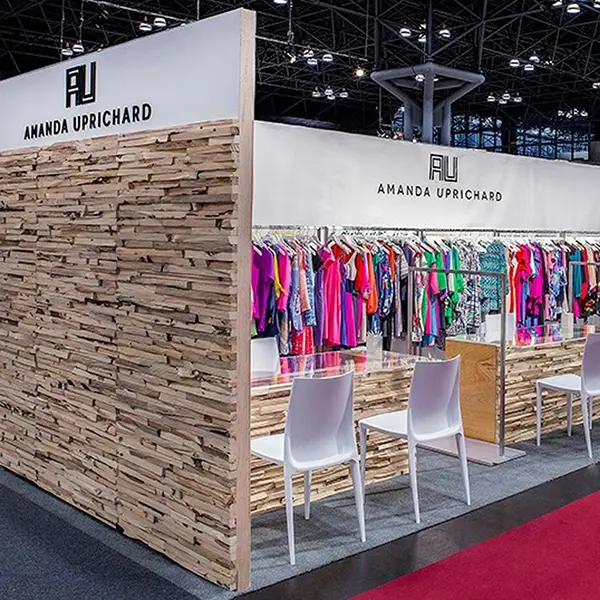
A room with several racks of clothes on the wall.

Last minute trade show booth production happens more often than most brands would like to admit. Whether it is a missed deadline, a redesign, or a last second decision to exhibit, compressed timelines create real challenges. The key is understanding what is realistically achievable without sacrificing quality or reliability.

Not every booth concept can be executed on a rushed schedule. However, with the right fabrication partner and a clear scope, it is possible to deliver a professional, show ready exhibit even under tight deadlines.

What Is Considered “Last Minute” in Booth Production

In most cases, a standard custom trade show booth build requires 6 to 10 weeks from approved design to show floor installation.

A project becomes “last minute” when that timeline is reduced to:

4 weeks or less: Accelerated but manageable with limitations


2 to 3 weeks: Highly compressed, requires simplified design


Under 2 weeks: Critical timeline, only certain solutions are viable

The shorter the timeline, the more strategic decisions need to be made.

What Is Possible on a Tight Timeline

1. Simplified Custom Builds
Straight wall systems, clean layouts, and minimal architectural complexity can be fabricated quickly. Using efficient CNC workflows and standard materials allows production to move faster without compromising structural integrity.

2. Pre-Engineered or Modular Hybrid Booths
Combining custom elements with modular systems is one of the most effective ways to meet tight deadlines. Structural components can be sourced quickly while custom branding elements are fabricated in parallel.

3. Standard Materials and Finishes
Using readily available materials such as MDF, Baltic birch, and standard laminates significantly reduces lead times. Custom veneers, specialty finishes, and high gloss paint systems often require additional time that may not be available.

4. Graphics Driven Designs
When fabrication time is limited, large format graphics can carry the visual impact. This approach reduces the need for complex construction while still delivering a strong brand presence.

5. Experienced Fabrication Teams
Shops with in house CNC capabilities, finishing departments, and established workflows are better equipped to handle rush projects. Efficiency and coordination become critical when timelines are compressed.

What Is Not Realistic on a Rush Timeline

1. Highly Complex Custom Structures
Curved walls, intricate joinery, and multi layer architectural builds require engineering, prototyping, and finishing time. These elements are difficult to execute properly under tight deadlines.

2. Specialty Finishes
High gloss paint, metal fabrication, and custom veneers often involve multiple stages and cure times. Rushing these processes can lead to quality issues that are not acceptable for a professional exhibit.

3. Multiple Revision Cycles
Last minute projects require quick decision making. Extended design revisions or unclear direction can quickly derail the schedule.

4. Large Scale Multi Unit Builds
Producing multiple booths or large island exhibits in a short timeframe is extremely challenging and often requires scaling back scope or phasing production.

How to Maximize Success on a Tight Deadline

Lock the Design Early
Finalizing the design quickly allows fabrication to begin immediately. Delays in approvals are one of the biggest risks in rush projects.

Prioritize What Matters Most
Focus on the elements that drive brand impact. Clean structure, strong graphics, and proper lighting often outperform overly complex builds executed under pressure.

Be Flexible With Materials and Methods
Allow your fabrication partner to recommend efficient alternatives that meet both timeline and quality expectations.

Work With a Fabricator, Not Just a Designer
Execution speed matters. A shop that handles design, engineering, and fabrication in house can significantly reduce lead time and coordination issues.

The Reality of Last Minute Booth Production

Last minute trade show booth production is absolutely possible, but it requires a clear understanding of trade offs. Speed, complexity, and cost are directly connected. As timelines shrink, efficiency and decision making become more important than customization.

A well executed, simplified booth delivered on time will always outperform an overly ambitious design that fails to make it to the show floor.

Final Thoughts

If you find yourself working against the clock, the best approach is to act quickly and align with an experienced fabrication team. By focusing on what is achievable and eliminating unnecessary complexity, you can still deliver a strong, professional exhibit under tight deadlines.

Planning ahead is always ideal, but when that is not an option, smart decisions and the right partner make all the difference.

NYC Trade Shows We Are Excited to Support This Summer

A yellow couch and chair in front of a black wall.

What We Are Building For Right Now

As we move into the summer trade show season, our shop in Long Island City is ramping up for a busy run of events at the Javits Center. Each show brings a different set of requirements, timelines, and design challenges, which is exactly what keeps things interesting on our end.

From specialty food and hospitality to furniture and lifestyle brands, we are currently working on a range of builds that balance clean design, durability, and efficient install.

Here are the key shows we are excited to support this summer and how we are approaching each one.

Summer Fancy Food Show

The Summer Fancy Food Show is one of the largest specialty food events in North America and a major focus for us this season. With thousands of exhibitors and consistently high foot traffic, this show requires booths that are both functional and visually strong.

Exhibitors are sampling products, storing inventory, and engaging with buyers throughout the day. That means layouts need to be efficient, surfaces need to be durable, and branding needs to be clear from every angle. From our side, this becomes a logistics driven show where timing, access, and prep all matter just as much as the build itself.

ICFF (International Contemporary Furniture Fair)

ICFF is always a standout show for us and one that aligns closely with our millwork background. The brands exhibiting here care deeply about materials, craftsmanship, and presentation, and that shows in the level of detail expected on the floor.

This is not about quick builds. It is about creating something that feels intentional and refined. We see a strong demand for clean architectural forms, high end finishes, and integrated details that elevate the overall presentation without feeling overbuilt.

NY NOW

NY NOW brings together a wide mix of home, lifestyle, and gift brands, which makes it one of the more dynamic shows we support. You can walk the floor and see everything from simple shelving setups to more built out branded environments.

Most exhibitors here are looking for a balance between cost and presentation. They want something that feels polished but still practical, especially if they are doing multiple shows throughout the year. This is where modular builds and rental solutions tend to make the most sense.

BDNY (Boutique Design New York)

BDNY leans heavily into hospitality and interior design, and the booths reflect that. Instead of traditional trade show setups, many brands are creating small environments that showcase how their products live within a space.

That means more layered builds, more attention to finishes, and a greater focus on how everything comes together as a whole. These projects tend to be more involved from both a fabrication and installation standpoint, but the end result is always worth it.

The New York Restaurant Show

The New York Restaurant Show shares some overlap with the Fancy Food Show but leans more toward equipment and operational solutions. Booths here need to perform. They are often supporting live demos, equipment displays, and constant interaction with attendees.

Because of that, the focus shifts toward durability, usability, and smart layouts that can handle consistent traffic without breaking down over the course of the show.

Why Summer Shows Require a Different Approach

Summer shows in New York move fast. Install windows are tight, the floor is crowded, and there is very little room for error once things get underway.

Being based in Long Island City gives us a major advantage here. With fabrication and storage in the same location, we are able to prep, stage, and deliver booths efficiently without relying on long distance freight or last minute adjustments on site.

Planning Ahead for Your Summer Show

If you are exhibiting at any of these upcoming shows, starting early gives you more flexibility across the board. Design decisions are easier, material choices open up, and overall costs are easier to control.

We work with brands across custom builds, rentals, graphics, storage, and full install logistics, tailoring each project to fit both the show requirements and the long term goals of the brand.

Exhibiting at a Summer Show in NYC?

Let’s talk about how we can design, build, and manage your booth from start to finish.

Hard Wall vs SEG Trade Show Booths: Which Booth System Is Right for Your Exhibit?

When planning a custom trade show booth, one of the biggest decisions exhibitors face is whether to build a hard wall trade show booth or use a SEG fabric booth system. Both exhibit types are common at major events like Coterie, ICFF, BDNY, and other shows at the Javits Center in New York.

Each system has advantages depending on your brand presentation, logistics needs, and how often you exhibit. At David G. Flatt Exhibits, we design and fabricate both hard wall exhibits and SEG trade show booths from our Long Island City millwork shop. Understanding the differences can help you select the best booth structure for your next show.

What Is a Hard Wall Trade Show Booth?

A hard wall trade show booth is constructed from rigid materials such as wood, laminate panels, painted MDF, acrylic, or other millwork components. These booths are fabricated in a workshop and installed on the show floor using professional labor.

Hard wall booths are often used by brands that want their exhibit to feel like a retail store, showroom, or architectural environment rather than a temporary structure.

Advantages of Hard Wall Booths

Premium architectural presence

Hard wall exhibits create a strong visual impact and provide depth, texture, and materials that elevate the overall presentation of your brand.

Fully custom fabrication

Because the booth is built using millwork, it can include integrated shelving, garment racks, product displays, lighting features, storage areas, and counters designed specifically for your products.

Long term exhibit use

Many brands reuse their custom hard wall trade show booth across multiple shows for several years when properly stored and maintained.

Integrated display solutions

Hard wall construction allows shelving, display cases, and signage to be built directly into the booth structure.

Considerations With Hard Wall Booths

Higher upfront fabrication cost

Custom millwork construction requires more materials and fabrication time than modular exhibit systems.

Increased freight and drayage costs

Hard wall booths are heavier and require shipping crates, which increases freight and material handling expenses.

More installation labor

Because of the structural components, installation typically requires additional labor hours on the trade show floor.


Hard wall booths are typically the best solution for brands that want a fully custom trade show booth design with strong architectural presence.

What Is an SEG Fabric Trade Show Booth?

A SEG trade show booth uses lightweight aluminum frames with tension fabric graphics. The graphics contain a silicone edge that inserts into the frame channel, creating a smooth and seamless wall surface.

SEG stands for Silicone Edge Graphics, and these systems have become extremely popular for exhibitors who want a modern and efficient booth structure.

Advantages of SEG Booth Systems

Lower freight and shipping costs

Fabric graphics and aluminum frames are significantly lighter than traditional millwork construction.

Fast installation

SEG booth systems assemble quickly, reducing labor costs during installation and dismantle.

Large seamless graphics

Fabric printing allows brands to display large scale graphics without visible panel seams.

Easy graphic updates

Exhibitors can replace graphics for different product launches, seasonal campaigns, or new branding without rebuilding the entire booth.

Considerations With SEG Booths

Less structural capability

SEG frames are designed primarily for graphics and cannot support heavy shelving or large structural elements without additional support.

Limited product display integration

Brands that need extensive shelving or product display systems often require additional structures.

Less dimensional depth

While visually clean, fabric walls typically do not have the same architectural depth as a custom millwork booth.

SEG booths work well for brands that want a clean branded environment with lower shipping and installation costs.

Hybrid Booth Designs Are Increasingly Common

Many exhibitors today choose a hybrid booth design that combines the strengths of both systems.

For example, a booth may include:

– SEG graphic walls for large scale branding
– Hard wall shelving or product displays
– Integrated lighting and signage
– Custom display fixtures or garment racks

This hybrid approach provides strong visual branding while maintaining flexibility and controlling freight and labor costs.

Custom Trade Show Booth Fabrication in New York

David G. Flatt Exhibits designs and fabricates custom trade show booths in New York City from our Long Island City workshop. We support brands exhibiting at major trade shows at the Javits Center and other venues across the country.

Our services include:

Custom trade show booth design
– Hard wall exhibit fabrication
– SEG fabric booth systems
– Turnkey rental booths (both hard wall & SEG)
– Graphic production and installation
– Storage and logistics between shows

Whether you need a fully custom hard wall exhibit or a lightweight SEG booth system, our team can design a booth that fits your brand and trade show schedule.

ICFF 2026 at the Javits Center: Custom Booth Design, Fabrication, and Furniture Rentals

The International Contemporary Furniture Fair returns to the Jacob K. Javits Convention Center this May, bringing together leading furniture brands, lighting designers, material innovators, and interior design professionals from around the world. For exhibitors, ICFF is not just another trade show. It is one of the most design-driven, visually competitive environments in North America.

At David G. Flatt Furniture, we help brands stand out on the ICFF floor with custom millwork, architectural booth builds, and refined rental furniture that complements contemporary product lines.

Why ICFF Requires a Different Approach

ICFF is not a pipe and drape show. Attendees include architects, interior designers, developers, and press. Your booth needs to feel intentional, elevated, and aligned with your brand’s design language.

Key considerations for ICFF exhibitors:

– Clean architectural lines

– Premium materials and finishes

– Integrated lighting

– Custom plinths and display pedestals

– Branded walls with dimensional logos

– Hidden storage and clean back of house solutions

Our 10,000 square foot millwork shop in Long Island City allows us to fabricate custom walls, shelving, risers, cabinetry, and display systems specifically tailored for ICFF brands.

Custom Booth Fabrication in NYC

Because ICFF takes place at Javits, working with a local NYC shop matters. We handle:

– Full booth design and fabrication


– 3D logos and dimensional branding


– Custom vinyl and SEG graphics


– Lighting integration


– Freight coordination and drayage


– Install and dismantle labor


– Post show storage


With additional ground level storage space, we can store your booth between shows, making future ICFF participation more cost effective and efficient.

Furniture Rentals for ICFF Exhibitors

Not every brand needs a fully custom build. Many ICFF exhibitors benefit from elevated rental elements paired with custom focal points.

We offer:

– Display pedestals and plinths

– Garment racks for textile brands

– Shelving systems

– Reception desks

– Lounge furniture

– Back of house cabinetry

All rental pieces are maintained in house and prepped specifically for the show floor.

Planning for ICFF 2026

ICFF exhibitors should begin design conversations early. Javits ordering deadlines, freight scheduling, and production timelines move quickly in the months leading up to the show.

If you are exhibiting at ICFF and want a booth that reflects the quality of your product, we would love to start the conversation.

Freight, Drayage, and Labor Costs Explained for Exhibitors

Freight, drayage, and labor are some of the most confusing line items in a trade show budget. Many exhibitors focus on booth design and graphics, then get blindsided by show services invoices that arrive weeks after the event. Understanding how these costs work helps you plan accurately, avoid surprises, and make smarter decisions about booth design and logistics.

This guide breaks down each cost clearly and explains how they apply to exhibitors showing in New York and other major markets.

What Is Freight in a Trade Show Context

Freight refers to transporting your booth, crates, and materials from your shop or warehouse to the convention center or advance warehouse. This can be handled by a common carrier, dedicated truck, or show appointed carrier.

Freight costs are influenced by distance, weight, crate size, delivery timing, and whether your shipment is delivered directly to the show or to an advance warehouse. Late deliveries often increase costs and can trigger additional labor charges on site.

What Is Drayage

Drayage is the fee charged by the convention center or show contractor to move your freight from the loading dock to your booth space and back out after the show. This is not transportation across cities. It is material handling inside the venue.

Drayage is typically billed by weight with minimum charges. Even lightweight booths can incur significant drayage fees if they ship in multiple crates or arrive outside standard move in hours. At venues like the Jacob Javits Center, drayage is a major budget consideration due to strict labor rules and handling procedures.

Trade Show Labor Costs

Labor covers the installation and dismantle of your booth. This includes unloading crates, assembling structures, hanging graphics, and packing everything back up after the show.

Labor rates vary based on union requirements, straight time versus overtime, and the complexity of your booth. Booths that are designed for quick assembly can significantly reduce labor hours and overall cost.

How These Costs Add Up

Freight, drayage, and labor are interconnected. A booth that ships efficiently in fewer crates reduces drayage. A booth designed for fast install reduces labor. Poor planning increases all three.

Many exhibitors underestimate these costs because they are separate from booth fabrication invoices and often handled by different vendors.

How to Control Freight, Drayage, and Labor Costs

Design plays a major role. Modular booth systems, lighter materials, and thoughtful crating all help reduce handling fees. Shipping early avoids overtime labor. Working with a partner who understands venue rules prevents costly mistakes.

At David G. Flatt, we design and build booths with logistics in mind so freight, drayage, and labor stay predictable.

Final Thoughts

Freight, drayage, and labor costs are unavoidable, but they do not have to be mysterious or out of control. When exhibitors understand how these fees work, budgeting becomes easier and show planning becomes far less stressful.

If you are preparing for an upcoming trade show and want help designing a booth that installs efficiently and ships smartly, this is a conversation worth having early.

Happy New Year from David G Flatt Exhibits

As we welcome a new year at David G Flatt Exhibits, our team is already deep into planning for the upcoming February Coterie show. The start of the year is always an exciting time in our shop. New concepts take shape, new materials come into rotation, and returning clients begin to confirm their visions for another round of elevated booth builds that help their brands shine on the show floor.

This February will include a mix of long term partners and first time exhibitors, and our crew has been preparing layouts, testing finishes, reviewing storage plans, and building custom elements that will support both creative goals and the functional needs of each brand. Coterie remains one of the most important fashion trade shows on our calendar, and we approach every season with a clear focus on detail, flow, durability, and aesthetic impact.

To set the stage for what is coming in February, we wanted to share a look back at some moments from September. These photos highlight a few booth features that remain popular heading into the new show cycle, including clean sightlines, warm material palettes, efficient garment display solutions, and seamless integration of shelving and millwork components.

September Coterie Highlights

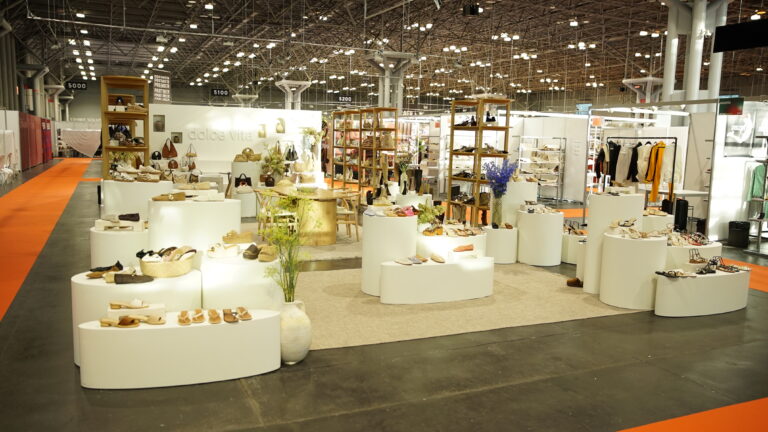
dolce vita - Coterie September 2025
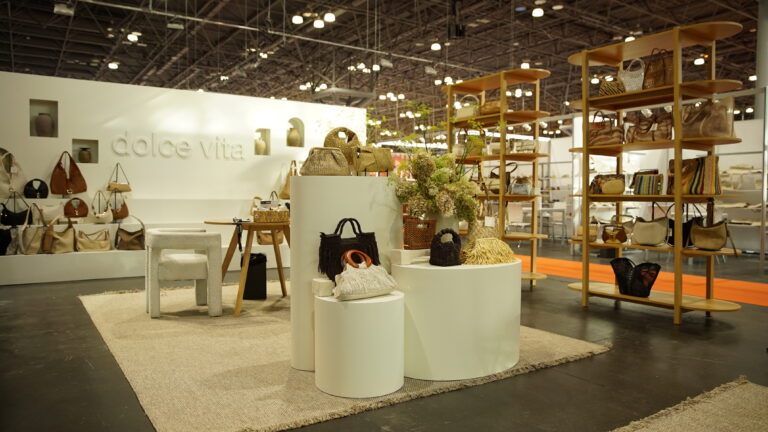
Custom pedestals and shelves on the show floor at Coterie
dolce vita - Coterie September 2025
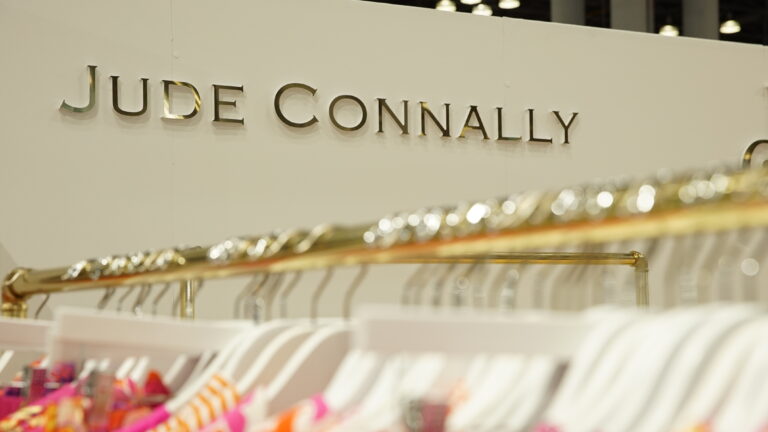
Jude Connally - Coterie September 2025
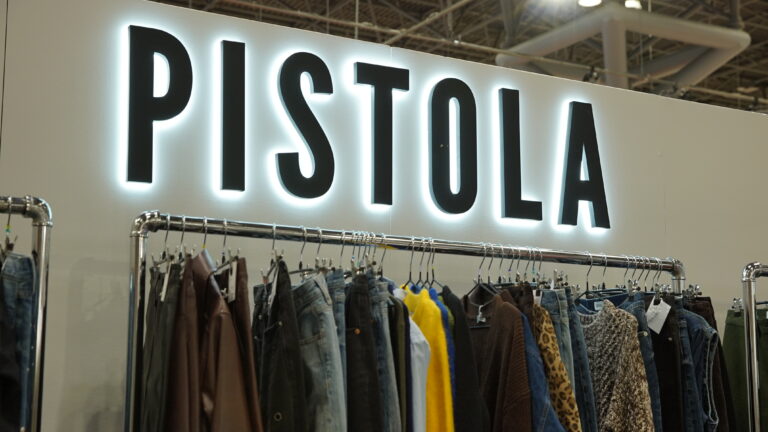
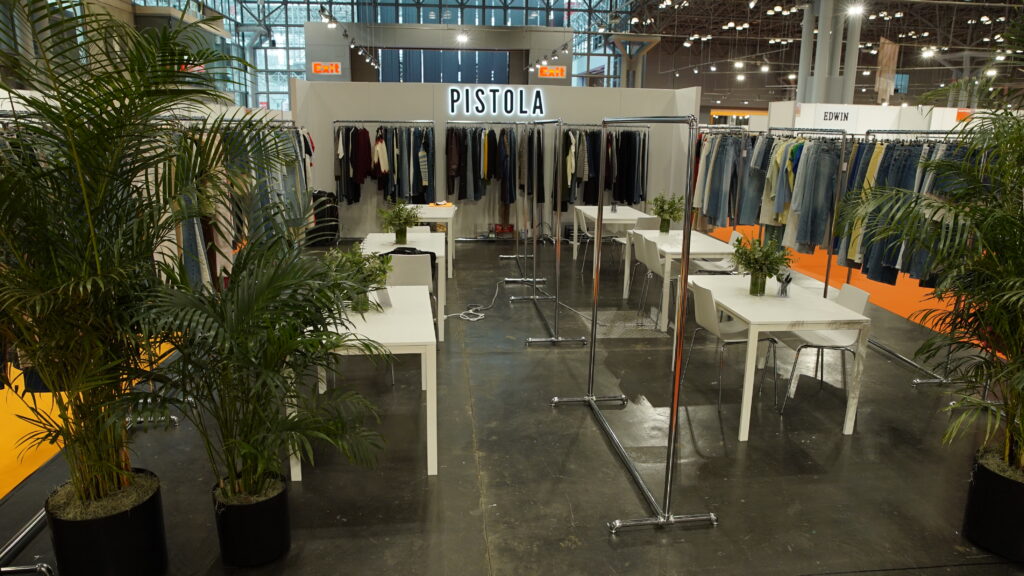
PISTOLA - Coterie September 2025
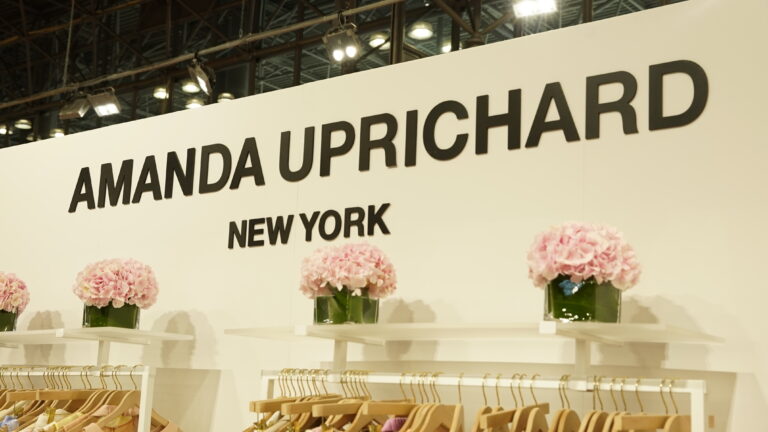
Amanda Uprichard - Coterie September 2025

Looking ahead to February, our team is continuing to refine production schedules, expand rental inventory, and collaborate closely with clients on layout adjustments and final design selections. The February show will include a range of custom booths, rental builds, and hybrid layouts that make efficient use of our extensive inventory. Many clients are choosing to expand their footprints this season, which means more opportunities for impactful displays and thoughtful product storytelling.

We are grateful for every partner who entrusted us with their September production and for those who have already begun working with us on their February plans. The entire team is energized for a strong start to the year, and we look forward to sharing more updates as we move closer to showtime.

If you have questions about booth design, rental options, or production schedules for upcoming shows, our team is here to help. We wish everyone a productive and inspiring start to the new year and we look forward to seeing many of you at Coterie in February.

Anastasio Home at BDNY 2025: Clean Minimal Design and Custom Fabrication in a 10×10 Space

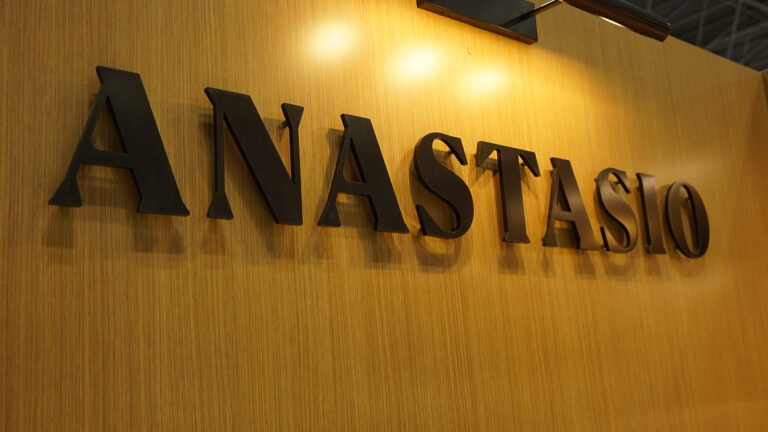
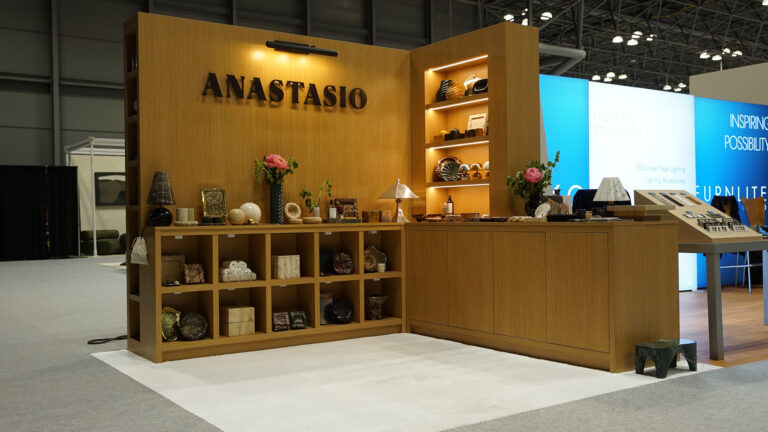
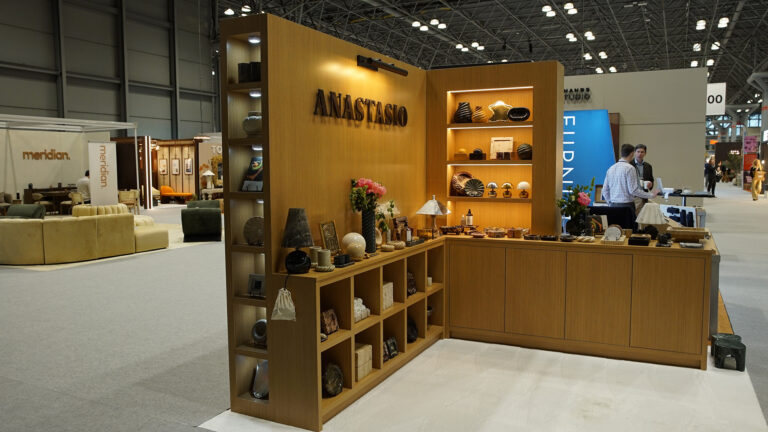
The Anastasio Home booth at BDNY 2025 showcased how thoughtful design and precise fabrication can transform a compact footprint. Built by David G. Flatt Exhibits, the space focused on clean lines, warm tones, and subtle lighting to create an inviting environment for the brand’s sculptural decor objects. With a 10×10 layout, every detail was carefully planned to maximize functionality without compromising visual impact.

Design and Concept

Anastasio Home is known for refined stone and bronze objects that bridge art and home design. The booth concept reflected that aesthetic through a minimal, gallery-like approach. The layout remained open and uncluttered, allowing visitors to focus entirely on the craftsmanship and texture of the collection.

The palette was soft and natural, supporting the brand’s emphasis on material quality and artisanal detail. The design positioned the booth as both a showroom and a small curated gallery inside the BDNY floor.

Materials and Fabrication

The booth was constructed with white oak plastic laminate, providing a warm and consistent material tone throughout the space. This finish helped create a clean, modern environment while remaining durable enough for a high-traffic hospitality trade show.

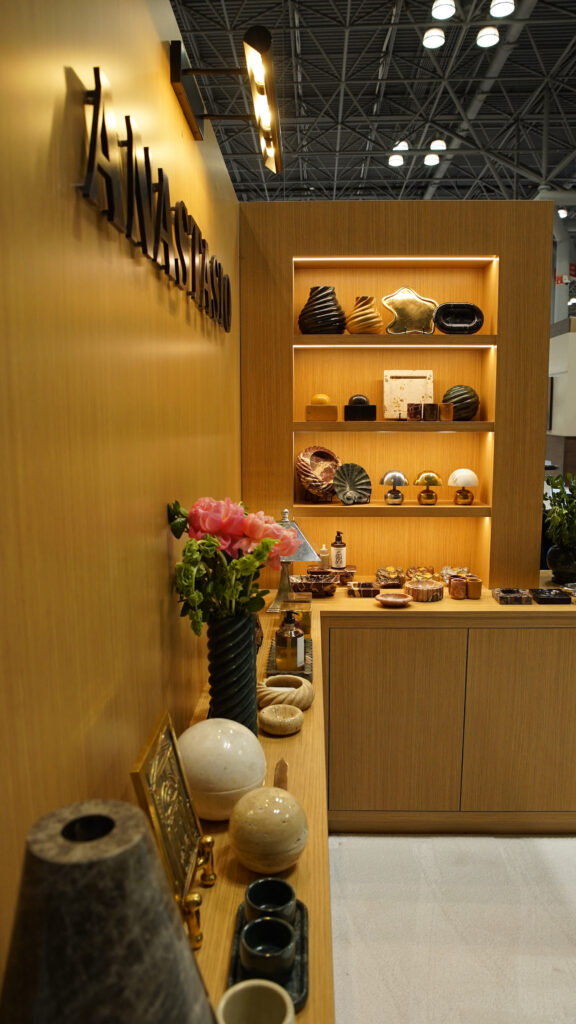
The primary display element featured LED lit shelving, designed to highlight the stone and bronze pieces with a soft, even wash of light. The LEDs were integrated directly into the shelving system to maintain a seamless profile and eliminate visible hardware.

All components were fabricated in our Long Island City shop to exact measurements, ensuring a precise fit within the tight BDNY footprint.

Turnkey Installation at the Javits Center

David G. Flatt Exhibits managed the full turnkey installation, including delivery, setup, and all final detailing before the show opened. Our team ensured the booth was positioned, leveled, and lit to match the design intent, allowing Anastasio Home to arrive and focus solely on their presentation and client interactions.

Why This Booth Worked

The success of this space came from the balance between simplicity and intention. The minimal layout amplified the sculptural quality of Anastasio Home’s work, while the illuminated shelving added depth and refinement. The result was a small booth that felt open, cohesive, and aligned with the brand’s identity.

Looking Ahead

As we continue to support designers across the hospitality and lifestyle sectors, David G. Flatt Exhibits is preparing for upcoming events including BDNY 2026, Magic Las Vegas 2026, Magic New York 2026, and Coterie 2026.

Planning a booth for BDNY or another design-driven show? Connect with our team to begin designing a space that reflects your brand and maximizes your footprint.

Pistola’s Booth at Coterie 2025: Modern Design and Custom Fabrication in NYC

Pistola’s booth at Coterie September 2025 captured the brand’s effortless, modern energy through clean lines, bright lighting, and precise fabrication. Built and installed by David G. Flatt Exhibits, the space balanced simplicity with impact, drawing attention across the Javits Center show floor.

Design and Concept

The design centered on Pistola’s contemporary denim aesthetic—minimal yet elevated. The open floor plan prioritized visibility and flow, allowing garments to stand out against a neutral, polished backdrop.

A custom light-up logo served as the focal point, giving the booth an inviting glow that reflected Pistola’s confident, modern look. The lighting was carefully integrated to complement both the signage and the merchandise without overpowering the space.

Materials and Fabrication

Fabricated entirely in our Long Island City shop, the booth featured chrome garment racks that added a reflective, architectural element to the design. Each rack was custom-built to fit the space perfectly, ensuring durability and a seamless visual rhythm across the display area.

Our team managed every detail—from design drawings and material selection to construction, delivery, and final setup at the Jacob Javits Center. This turnkey process allowed the Pistola team to focus solely on curating their garments and engaging with buyers during the show.

Execution and Installation

Installation was completed ahead of schedule, with final detailing and lighting checks finished before preview day. The result was a booth that not only met but exceeded expectations for finish quality and brand alignment.

Pistola’s booth stood out for its simplicity and precision, proving that thoughtful fabrication and lighting can define a brand’s presence on the trade show floor.

Looking Ahead

Following another successful season at Coterie, David G. Flatt Exhibits is already preparing for upcoming events including Curve 2026, Magic Las Vegas 2026, Magic New York 2026, and Coterie 2026. Each project brings new opportunities to create unique, brand-driven environments for leading fashion labels.

Planning your next trade show? Connect with David G. Flatt Exhibits to start designing a custom booth that captures your brand’s vision.

Yes. Our team fabricates and installs custom illuminated signage and light-up logos in-house. We can match your brand’s existing typeface or design a new illuminated element to fit your booth.

Yes. David G. Flatt Exhibits provides full turnkey service, including fabrication, delivery, installation, and teardown. Clients can focus on their products while we manage the logistics.

Many of our custom builds are modular and can be reused or modified for future events. We offer storage, updates, and reinstallation for shows like Magic or Curve.

Yes. We offer a large inventory of chrome garment racks for rent, available in multiple configurations to fit different booth layouts. These racks are professionally maintained, delivered, and installed as part of our turnkey service.

Building What’s Next: 6 Trade Show Trends for 2026

Trade shows are more competitive than ever. At David G. Flatt, we see it every day. Exhibitors are rethinking how to stand out, streamline logistics, and create environments that genuinely connect with visitors. As a design-and-build team that crafts every booth in our NYC millwork shop, we’re helping clients stay ahead of what’s next in booth design and trade show experience.

Here’s what’s shaping trade show design in the year ahead and how we’re helping our clients bring these ideas to life.

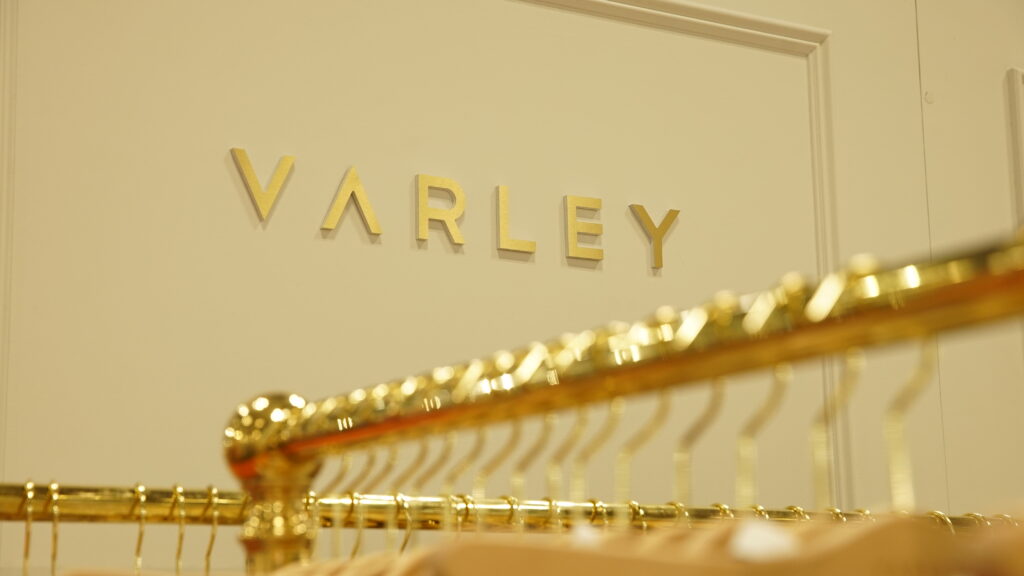
Varley

1. Sustainable Materials and Smarter Builds

Sustainability is shaping the future of trade shows, and it’s changing how we build. We’re seeing a strong demand for modular booth systems, recyclable metals, and reclaimed wood finishes. Our team designs lightweight structures that reduce shipping costs and setup time while staying durable for multiple events. Sustainability doesn’t have to mean compromise; it means smarter engineering and more efficient fabrication.

2. Pop-Up Experiences That Travel

Pop-up exhibits are becoming one of the most exciting shifts in the industry. Compact, flexible, and visually bold, they allow brands to activate multiple spaces or events without the logistics of a full-scale booth. At David G. Flatt, we design and fabricate portable pop-ups that pack flat, travel easily, and assemble fast, ideal for product launches, demos, or off-floor brand experiences. They’re proof that small spaces can still make a big impact.

3. Tactile and Immersive Environments

Trade show booths are no longer static displays; they’re built to be felt. From layered materials and integrated lighting to textural contrasts, tactile environments pull attendees in and keep them there. We customize every element from flooring and finishes to signage and graphics to reflect each client’s brand identity and story. When design feels intentional and interactive, visitors don’t just see your brand, they experience it.

4. Hybrid Connectivity that Extends the Experience

Hybrid features aren’t just about reaching remote audiences; they’re about deepening engagement. We’re integrating live-stream zones, interactive screens, and scannable QR pathways directly into booth design so visitors can explore more about your products both on-site and after the show. Whether it’s watching a live demo, accessing specs from a QR code, or revisiting a presentation online later, these tools turn a brief booth visit into an ongoing brand experience. By blending digital and physical interaction, exhibitors can educate, connect, and leave a lasting impression long after the event ends.

5. Flexible, Modular Design

Flexibility is essential for brands that exhibit at multiple shows. Our modular booth systems are designed to evolve, expandable layouts, reconfigurable walls, and interchangeable branding panels make it easy to adapt to any space. Paired with our logistics, storage, and maintenance services, we make sure your booth looks as good on its fifth show as it did on its first.

6. Storytelling Through Space

Every booth we build starts with a story. From layout and lighting to finishes and graphics, we design spaces that guide visitors through your brand’s message. Our in-house production team creates custom signage and logos that reinforce identity and bring that story to life, helping your booth feel cohesive, intentional, and memorable.

How We Make It Happen

We handle every detail so our clients can focus on their audience:

  • Custom Design & Fabrication: Built in our NYC millwork shop, tailored to your brand.
  • Booth Rentals & Accessories: Flexible options that deliver impact without the investment.
  • Logistics & Installation: Shipping, setup, and breakdown handled by our team.
  • On-Site Support: Experienced staff available during the show to keep things running smoothly.
  • Storage & Maintenance: Safe booth storage and upkeep between events.

Let’s Build What’s Next

Trade shows move fast, but your booth doesn’t have to blend in. Whether it’s a sustainable modular build, a hybrid-ready exhibit, or a portable pop-up, we create spaces that attract, perform, and connect. Ready to start building what’s next? Visit our trade show services page to learn how we can design, build, and manage your next standout exhibit from concept to installation, or contact us today to start planning your next show-stopping booth.